What to know when booking emergency gardeners in Penge
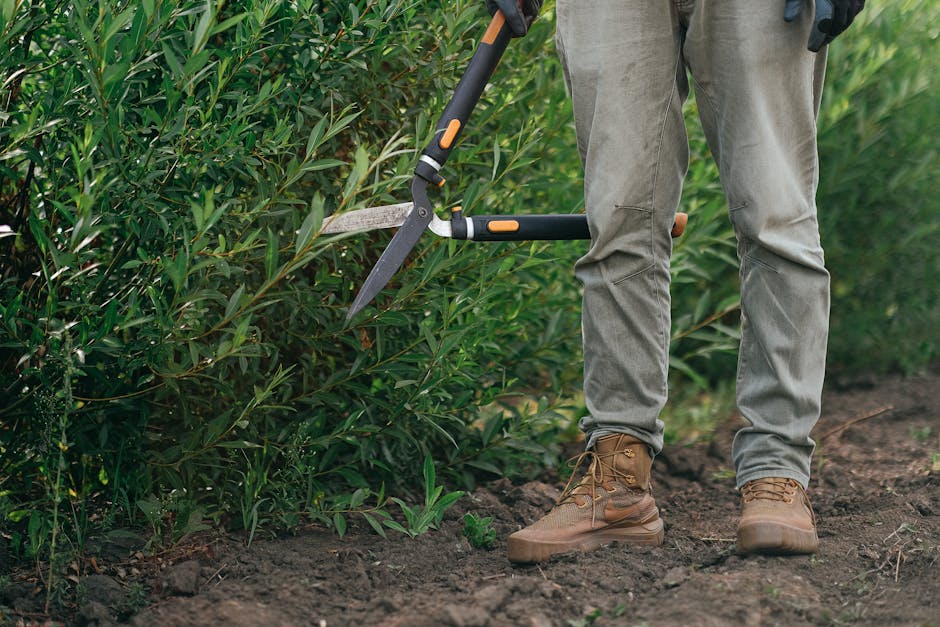
If a tree has come down after a windy night, the hedge is blocking access, or your garden has suddenly become unsafe, you do not have time for guesswork. Booking emergency gardeners in Penge is about getting the right help quickly, without making a rushed decision you may regret later. In a real emergency, speed matters - but so does safety, clarity, and knowing exactly what you are agreeing to.
This guide explains what to check, how urgent garden call-outs usually work, what the sensible priorities are, and where people often trip up. It also gives you a practical way to compare options, ask better questions, and avoid paying for a fix that only solves half the problem. Let's face it, when the lawn is waterlogged, a branch is hanging low, or a garden is suddenly unusable, you want calm, not chaos.
Why What to know when booking emergency gardeners in Penge Matters
Emergency garden work is different from standard maintenance. You are not booking a tidy-up for next week. You are dealing with an immediate issue that may affect safety, access, neighbours, or the condition of the property. In Penge, where gardens can be compact, shared boundaries can be tight, and rear access can be awkward, a problem can feel bigger than it first looks.
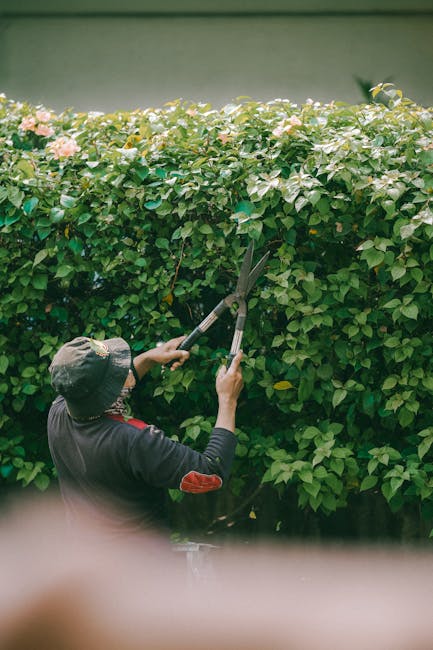
That is why the booking decision matters. A good emergency gardener will not just turn up with shears and a van. They should assess the problem quickly, tell you what can be dealt with straight away, and explain anything that needs follow-up work. If the issue involves overgrown hedges, storm debris, or an unsafe tree, the right response may also involve proper handling, waste removal, and safe work methods. For context, it helps to see how a provider presents its wider support, such as the full services overview, garden clearance, tree lopping and removal, and hedge trimming.
When people rush the booking, they often focus only on arrival time. Fair enough, urgency is the point. But if the team arrives quickly and cannot safely handle the job, you have still lost time. The better question is: can they respond quickly and deal with the actual risk in front of you?
How What to know when booking emergency gardeners in Penge Works
Most emergency garden bookings follow a fairly simple pattern. First, you describe the issue, ideally with a few clear photos if that is possible. Then the gardener decides whether it is truly urgent, what equipment is needed, and whether the job can be completed on the first visit or needs a staged approach. In a fast-moving situation, a short phone call can save a lot of confusion later.
In practical terms, emergency garden work usually falls into a few broad categories:
- Safety hazards such as fallen branches, unstable trees, sharp debris, or blocked paths.
- Access problems where overgrowth or damage is stopping bins, vehicles, or people from moving through safely.
- Weather damage after high winds, heavy rain, or sudden collapse of plants or structures.
- Urgent clean-up after neglect, storm disruption, or a last-minute property issue.
The exact response depends on the site. A small pile of broken branches is one thing; a tree leaning over a fence is another. A good local team will usually ask about access, how severe the damage is, whether anyone has already tried to move anything, and whether there are overhead lines, unstable surfaces, or signs of rot. That last bit matters more than people think.
One useful thing to know is that emergency work is often part removal, part assessment, and part prevention. For example, a gardener may clear immediate debris on day one, then recommend follow-up maintenance or landscaping repairs afterwards. If that is likely, pages like garden maintenance, landscaping, and landscape gardening can help you understand the bigger picture.
Key Benefits and Practical Advantages
Booking emergency gardeners quickly can do more than just make the garden look better. In the right situation, it can prevent a small problem from becoming a much bigger and more expensive one. That is the real value, truth be told.
Here are the main benefits people usually notice first:
- Immediate risk reduction. Loose branches, blocked walkways, and unstable growth are dealt with sooner.
- Better property access. You can get to bins, sheds, side gates, and paths without awkward climbing or squeezing past obstacles.
- Less neighbour friction. Overhanging hedges, debris, and boundary issues are easier to address before they become a row.
- Reduced follow-on damage. Water pooling, crushed plants, and broken fencing can worsen if left too long.
- Clearer next steps. A capable gardener can separate what needs immediate action from what can wait.
There is also a quieter benefit: peace of mind. When a garden suddenly looks untidy, dangerous, or neglected, it can make the whole property feel unsettled. A fast, professional response tends to restore order much quicker than most people expect. And yes, there is something oddly satisfying about seeing a chaotic corner of the garden turned back into something you can actually walk through again.
If the urgent issue is part of a wider tidy-up, it may also be worth looking at lawn mowing and garden clearance so you can decide whether one visit should solve several problems at once.
Who This Is For and When It Makes Sense
Emergency gardening is not just for dramatic storm damage. Plenty of ordinary situations call for a fast response. A fence line that has collapsed into a path. A hedge suddenly obscuring visibility at a driveway. A badly overgrown front garden that is causing access issues before a handover or inspection. All of these are real, practical reasons to book urgently.
This service makes sense for:
- Homeowners dealing with sudden garden damage.
- Landlords who need a property safe and presentable between tenancies.
- Tenants who need help meeting a reasonable handover standard.
- Businesses or management companies looking after shared outdoor areas.
- Anyone who cannot safely deal with the issue themselves.
It also makes sense when there is a mix of urgency and uncertainty. For example, you may know that something needs to be removed, but not know whether it is a simple clearance job or a more specialist tree problem. In those cases, you want a provider that is comfortable saying, "this needs a closer look." That sort of honesty saves trouble later.
To be fair, not every messy garden is an emergency. A few weeds and a tired border can wait. But if something is creating a safety concern, stopping access, or likely to worsen quickly, then booking promptly is sensible.
Step-by-Step Guidance
If you want a smoother booking, keep the process simple and structured. Panic does not help, but a basic plan does.
- Identify the urgent issue. Be specific. Is it a fallen branch, blocked path, damaged hedge, or general post-storm mess?
- Check for immediate danger. Keep away from unstable trees, hanging limbs, broken glass, or anything that could shift suddenly.
- Take a few photos. A couple of clear images can help the gardener understand the size and type of work before arriving.
- Note access details. Side gate width, parking limitations, locked shared entrances, pets, or awkward rear access all matter.
- Ask what is included. Clarify whether removal, loading, disposal, and tidy-up are part of the visit.
- Discuss timing. Ask if the team can attend the same day, what the likely arrival window is, and whether there may be a delay if a previous job runs long.
- Confirm any specialist needs. If trees, heavy branches, or structural damage are involved, make sure the provider is equipped for that kind of work.
- Agree the next step in writing if possible. A clear note or message avoids misunderstanding later. Not glamorous, but useful.
One practical tip: do not hide details because you are worried they sound inconvenient. If there is a dog in the garden, a steep slope, or a neighbour's boundary wall nearby, mention it. Those details change how the job is planned. This is one of those moments where being slightly over-informative is better than being vague.
Expert Tips for Better Results
The fastest emergency call-outs are not always the best prepared. A little planning on your side can improve the result quite a bit.
1. Send the clearest possible description
Instead of saying "the garden is a mess," try "a large branch is hanging over the back path" or "the hedge has collapsed into the driveway entrance." Specific wording helps the gardener bring the right tools.
2. Separate urgent work from non-urgent work
If a team is coming out in a hurry, it helps to know what must be done now and what can wait. For example, clearing a blocked walkway may be the priority, while broader tidy-up work can be handled later through routine garden maintenance.
3. Ask about disposal before anyone starts
One easy mistake is assuming waste removal is automatically included. Sometimes it is; sometimes it is not. Ask upfront whether clippings, branches, and debris will be taken away or left for you to handle.
4. Think about the finish, not just the fix
A garden can be made safe without looking neat. That is okay in a true emergency, but you may want a second-stage tidy-up afterwards. This is especially relevant after storm work, hedge reduction, or emergency clearance.
5. Be realistic about same-day outcomes
Sometimes the right answer is not a full solution, but a safe temporary one. A professional should be able to say what can be completed today and what should be scheduled properly. That is a sign of judgement, not hesitation.
And honestly, that judgement matters. Anyone can swing a tool around. Not everyone can look at a tricky garden and decide what should be touched, what should be left alone, and what is best referred onward. That distinction is worth paying attention to.
Common Mistakes to Avoid
Emergency bookings tend to go wrong in fairly predictable ways. The good news is they are easy to avoid once you know what to watch for.
- Choosing the first option without asking enough questions. Fast is useful, but clarity is better.
- Under-describing the job. If the issue is bigger than you say, the team may arrive underprepared.
- Ignoring access constraints. A job can be delayed or made more expensive if the team cannot get equipment to the right spot.
- Assuming all garden problems are safe to DIY. Broken branches, unstable trees, and wet surfaces can be unpredictable.
- Forgetting waste and tidy-up. What looks like a quick job can become a bigger cleanup if rubbish removal was not discussed.
- Not planning the follow-up. Emergency work often reveals other issues underneath, especially after storms or long neglect.
A surprisingly common one? People sometimes ask for "just a quick trim" when the real issue is a structural hazard or a blocked access route. That mismatch can waste everyone's time. Be frank about the condition of the garden, even if it is embarrassing. The grass is not judging you. Much.
Tools, Resources and Recommendations
You do not need a toolkit to book an emergency gardener, but a few basic resources make the whole experience easier. A phone with camera access is probably the most useful thing you have. After that, it is mostly about information.
- Clear photos or a short video of the problem area.
- Access notes such as gate width, parking, or shared entrances.
- A rough size estimate of the affected area, even if it is only approximate.
- A list of immediate priorities so the gardener knows what matters most.
- Any known hazards such as unstable fencing, broken glass, slippery ground, or hidden edges.
For service planning, it can also help to compare the urgent work against related services. For example, if the issue involves thick hedging, hedge trimming may be enough. If it is a larger overgrowth problem, garden clearance might be more appropriate. If tree limbs are involved, tree lopping and removal deserves a closer look.
And when you are checking a provider, useful pages like pricing and quotes, insurance and safety, and health and safety policy can help you understand how seriously they take the work. That is not just admin. It gives you a feel for how the company operates.
Law, Compliance, Standards, or Best Practice
Emergency garden work can involve safety-sensitive tasks, especially where tree limbs, height, tools, or public-facing boundaries are involved. While the exact legal position depends on the situation, it is sensible to expect the gardener to work carefully, use suitable equipment, and avoid unnecessary risk. If the job affects shared access, neighbouring property, or larger plants and trees, caution is especially important.
Best practice usually means a provider should:
- assess obvious hazards before starting;
- use appropriate protective equipment where needed;
- avoid working unsafely in poor weather or unstable conditions;
- be clear about what they can and cannot safely do;
- handle waste and debris in a responsible way;
- explain if further work is needed after the immediate issue is made safe.
It is also reasonable to ask whether the company has a clear complaints route, payment process, and general terms. These are boring-sounding things, but they matter when time is tight and expectations need to be clear. A provider that is transparent about terms and conditions and payment and security usually makes the whole experience easier.
If the job involves access through shared areas, damaged surfaces, or difficult transport of waste, a careful approach matters more than speed alone. The cleanest-looking fix is not always the safest one, and the safest one is not always the flashiest. That is normal.
Options, Methods, or Comparison Table
Not every urgent garden issue needs the same type of response. The table below gives a simple comparison that may help you decide what to ask for.
| Situation | Best type of response | What to ask | Typical outcome |
|---|---|---|---|
| Fallen branches after bad weather | Emergency clearance and safety check | Can it be made safe today, and will debris be removed? | Access restored, hazard reduced |
| Dense overgrowth blocking a path | Urgent hedge or clearance work | Is this a trim, reduction, or full clearance job? | Safe passage and improved visibility |
| Unsafe or leaning tree | Specialist tree assessment and removal if needed | Is the tree stable enough to work on safely? | Immediate risk reduced, further action advised if needed |
| Garden left unusable before a deadline | Rapid clearance with follow-up tidy-up | What can be completed now versus later? | Presentable space with a plan for finishing touches |
| General neglected outdoor area | Fast tidy-up, then maintenance | Can one visit lead into ongoing care? | Short-term reset and longer-term upkeep |
If your issue sits between two categories, ask the gardener to explain the difference in plain English. You do not need jargon. You need a workable plan.
Case Study or Real-World Example
Picture a fairly ordinary Friday evening in Penge after a windy spell. A homeowner notices that part of the back garden hedge has dropped into the side return, leaving a narrow path half blocked. A branch from a nearby tree is also hanging lower than it should, brushing the fence. Nothing dramatic, but enough to make the space awkward and a bit unsafe after dark.
Rather than trying to tackle it with blunt tools and hope, they send a few photos, mention access through the side gate, and explain that bins still need to get through on Monday morning. The gardener arrives with the right kit, clears the blocked area, removes obvious debris, and flags that the tree branch should be checked more carefully rather than hacked at casually. The hedge is tidied enough to restore access, and the homeowner books a follow-up for fuller maintenance the next week.
That is what a good emergency booking often looks like in practice. Not flashy. Just sensible. The immediate issue is dealt with, the remaining work is understood, and nobody has made the problem worse by rushing. Sometimes that is the best outcome you can ask for.
Practical Checklist
Use this checklist before you confirm the booking. It keeps things tidy, and it stops the awkward back-and-forth later.
- What is the urgent problem? Write it in one sentence.
- Is anyone or anything currently at risk? If yes, keep clear of the area.
- Have you sent photos? A few clear images usually help a lot.
- Have you explained access? Gates, parking, and obstacles matter.
- Do you know what outcome you want? Safety, clearance, trimming, or a full tidy-up.
- Have you asked about waste removal? Do not assume.
- Have you checked whether follow-up work may be needed? Often it does.
- Have you reviewed the provider's general information? Useful pages include about the company, insurance and safety, and recycling and sustainability.
- Have you kept your expectations realistic? Emergency work is about making things safe and manageable first.
Expert summary: The best emergency gardeners are not just fast. They are calm, clear, and careful under pressure. If they can explain the immediate fix, the safety angle, and the likely follow-up without sounding flustered, you are probably in good hands.
Get a free quote today and see how much you can save.
Conclusion
When you are booking emergency gardeners in Penge, the goal is not simply to get someone out fast. The real goal is to solve the immediate problem safely, with minimal stress, and with enough clarity that you know what happens next. Ask about access, safety, waste removal, and follow-up work. Keep your description honest and specific. And choose a provider that sounds measured, not rushed for the sake of sounding busy.
If you do that, the whole process becomes much easier to manage. The garden gets back under control, the risk comes down, and you can breathe again. Not perfect, maybe. But better. Usually a lot better.
And if you are still staring out at a battered garden on a grey afternoon, wondering where to start, start small: make it safe, make it clear, then build from there. That is often enough to turn a messy day into a manageable one.
Frequently Asked Questions
What counts as an emergency garden job?
An emergency garden job is usually one that affects safety, access, or urgent usability. Fallen branches, blocked paths, storm damage, unsafe overgrowth, and leaning trees are common examples. If the issue is likely to worsen quickly, it may also count.
How quickly can emergency gardeners in Penge usually attend?
That depends on workload, time of day, and the type of problem. Some jobs can be handled very quickly, while others need scheduling based on equipment or safety considerations. Same-day attendance may be possible, but it is not something you should assume.
Should I send photos before booking?
Yes, if you can. Photos help the gardener understand the scale of the issue, the access conditions, and whether specialist tools may be needed. A short video can help too, especially for larger or more awkward spaces.
Is emergency gardening more expensive than normal maintenance?
It often can be, because urgent call-outs may involve faster attendance, more complex work, or additional labour and disposal. The exact cost depends on the job, so it is sensible to ask for a clear quote or estimate before work starts.
Can an emergency gardener remove a fallen tree branch?
In many cases, yes, if it is safe and within the scope of the service. If the branch is large, unstable, or connected to a damaged tree, the job may need a more specialist approach. Do not try to shift heavy or hanging timber yourself.
What should I ask before confirming the booking?
Ask what is included, how quickly they can attend, whether waste removal is part of the price, and whether the issue sounds like clearance, trimming, or tree work. It also helps to confirm access details and any obvious hazards.
Do emergency gardeners deal with hedge problems?
Yes, if the hedge is causing an immediate issue such as blocked access, low visibility, or boundary obstruction. Depending on the situation, the work may fall under hedge trimming or a broader clearance job.
What if the problem turns out to be bigger than expected?
That happens fairly often. A good gardener should explain the immediate safety steps, then outline what additional work is needed. It is usually better to do part of the job safely than to rush and create more damage.
Do I need to be at home when the gardeners arrive?
Usually, yes, especially for emergency work, because access, priorities, and safety concerns often need a quick discussion. If you cannot be there, make sure the arrangement is clearly agreed in advance.
Can emergency gardening include waste removal?
Often it can, but not always automatically. Some jobs include loading and disposal, while others focus only on the immediate work. Always check this before the visit so you know what to expect.
What if the garden problem involves a tree near a fence or structure?
That is a situation where caution matters. The gardener may need to assess the tree more carefully before doing anything. If there is any sign of instability, it is better not to interfere with it yourself.
How do I know if a provider is trustworthy?
Look for clear communication, sensible questions about access and safety, transparent pricing, and straightforward company information. Pages such as pricing and quotes, insurance and safety, and complaints procedure can give useful signals about how the business is run.
What is the best next step if I need help right now?
Make the area safe, take a few photos, note the access details, and contact a suitable local provider with a clear description of the issue. If you need a broader service after the urgent work, pages like garden maintenance and services overview can help you plan the follow-up properly.