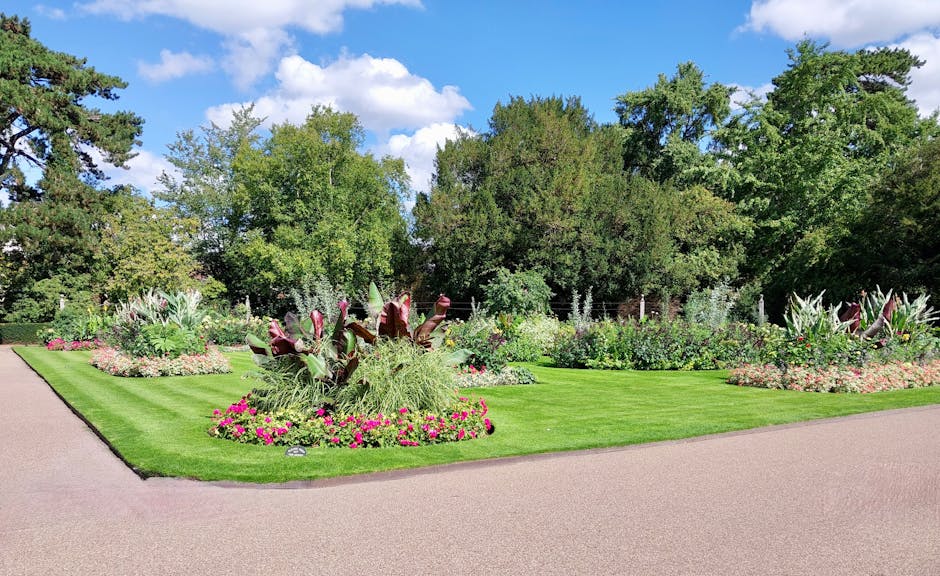
Crystal Palace Park border garden care tips for Penge homes
If you live near Crystal Palace Park in Penge, you already know the little border garden along the front path, side return, or boundary fence can make or break the whole look of a home. These spaces are visible from the pavement, they catch the weather, and they often sit under awkward shade from trees, walls, or neighbouring buildings. That means border garden care needs a bit more thought than simply planting a few shrubs and hoping for the best.
This guide on Crystal Palace Park border garden care tips for Penge homes is designed for real-life gardens: narrow front borders, mixed sun and shade, compact urban plots, and the kind of beds that need to look good without turning into a weekly battle. You will find practical advice on planting, pruning, watering, soil care, tidy edging, seasonal upkeep, and when it makes sense to call in help. To be fair, border gardens are often the bit people notice first. So let's make them work properly.
Along the way, we'll also cover common mistakes, a simple maintenance checklist, and local-minded best practice for keeping your borders healthy through the year. If your garden needs a bigger refresh, you may also find it useful to look at garden maintenance, hedge trimming, or the wider services overview for support that fits your property.
Table of Contents
- Why Crystal Palace Park border garden care tips for Penge homes Matters
- How Crystal Palace Park border garden care tips for Penge homes Works
- Key Benefits and Practical Advantages
- Who This Is For and When It Makes Sense
- Step-by-Step Guidance
- Expert Tips for Better Results
- Common Mistakes to Avoid
- Tools, Resources and Recommendations
- Law, Compliance, Standards, or Best Practice
- Options, Methods, or Comparison Table
- Case Study or Real-World Example
- Practical Checklist
- Conclusion
- Frequently Asked Questions
Why Crystal Palace Park border garden care tips for Penge homes Matters
Border gardens near Crystal Palace Park are rarely simple. Some get blasted by wind across open streets. Others sit in partial shade because of tall trees, fences, or the shape of the building itself. A few get heavy foot traffic if they border a front drive or pavement. In practice, that means the same plant can do brilliantly in one Penge garden and look miserable two doors down.
That is why border garden care matters. It is not just about appearance, although that matters plenty. It is also about stability, drainage, plant health, and keeping the space manageable. A well-kept border can soften brickwork, frame a path, and make a small garden feel calm rather than cluttered. A neglected one, on the other hand, quickly becomes a tangle of weeds, dead stems, and uneven growth. Nobody wants to look out at that every morning.
There is also a local practicality here. Many homes in Penge have modest front gardens, side strips, or boundary planting areas that need to be attractive without demanding too much time. The best border care tips balance looks with low effort. That means choosing the right plants, spacing them sensibly, and pruning before things get wild. Not after, when you are already wrestling with it in a bin bag on a Sunday afternoon.
If you are wondering whether a border really needs that much attention, the answer is usually yes, but not in a fussy way. A little routine care goes a long way. And once the structure is right, maintenance gets much easier.
How Crystal Palace Park border garden care tips for Penge homes Works
Good border care is basically a system. You look at what the border gets during the day, decide what it can realistically support, then maintain it in a way that keeps the structure strong. Sounds simple. In real gardens, it can feel a bit messy at first, but the logic is straightforward.
The process usually starts with light, soil, and moisture. Is the border sunny, shaded, or a mix? Does rain drain away, or does water sit after a downpour? Is the soil rich and crumbly, or compacted and dry? Those details matter because they tell you what sort of plants will survive without constant fussing.
Then comes structure. Border gardens look best when they have layers: low plants at the front, mid-height planting in the middle, and perhaps one or two anchor shrubs or climbers at the back. That layered shape gives the eye somewhere to go. It also helps reduce bare patches, which are often where weeds move in fastest.
Next is routine upkeep. That means trimming overgrowth, removing dead material, keeping edges clean, and feeding or mulching where needed. For many homeowners, this is where a regular garden maintenance plan becomes helpful, because small jobs done consistently are easier than one giant seasonal rescue. Truth be told, most border problems begin as tiny neglected tasks.
Finally, there is seasonal adjustment. In spring you clean and reset. In summer you monitor watering and deadhead flowers. In autumn you clear leaves and protect tender plants. In winter you reduce risk, cut back where appropriate, and avoid overworking soil that is already soggy or cold. That rhythm keeps the garden healthy without turning it into a second job.
Key Benefits and Practical Advantages
Well-cared-for borders do more than look tidy. The benefits stack up quickly, especially in a compact urban garden.
- Better kerb appeal: Neat borders make the whole property feel looked after. Even a small front garden can change how a home reads from the street.
- Healthier plants: The right pruning, spacing, and feeding reduce stress and disease pressure.
- Fewer weeds: Dense planting, mulch, and routine weeding close gaps before trouble starts.
- Less maintenance overall: A sensible border design is easier to keep tidy than an overfilled one.
- Improved drainage and soil quality: Regular mulching and careful soil care stop the ground from becoming exhausted or crusty.
- More usable space: Borders that stay under control give you room for paths, bins, gates, or seating without that overgrown feel.
There is a practical bonus too: a tidy border tends to encourage tidy habits elsewhere. Once the front edge is neat, people often find the rest of the garden feels easier to manage. It sounds almost too simple, but it happens all the time.
If your border includes shrubs or small boundary trees, it may also be worth planning ahead for shape and height control. In some cases, services like tree lopping and removal or hedge trimming can help restore light and stop larger plants from crowding out everything underneath.
Who This Is For and When It Makes Sense
This advice is especially useful if you are a homeowner in Penge with a small or medium border close to Crystal Palace Park, or if your garden sits in one of those in-between spaces where everything grows a bit unevenly. You might have a front border facing the road, a narrow side border, or a back border that gets shade for half the day and full sun for the rest. Those mixed conditions are common and, frankly, a little awkward.
It also makes sense if:
- your border looks untidy after winter or heavy rain;
- weeds keep coming back through gravel, bark, or planting gaps;
- shrubs are getting too large for the space;
- you want a lower-maintenance layout;
- you are planning to sell or let the property and need it to present well;
- you simply want the garden to feel calmer and more finished.
For some homes, border care is a quick seasonal job. For others, it becomes part of regular upkeep because the planting is established and the structure needs ongoing pruning. If the garden is badly overgrown, a clearer reset may be the smarter move. In that case, garden clearance can remove the clutter and give you a proper starting point again. That fresh start can be oddly satisfying, by the way.
And if you are not sure whether your border needs light touch care or a bigger rethink, that is perfectly normal. A short assessment is often enough to tell you where the problems are coming from.
Step-by-Step Guidance
1. Start with a proper border assessment
Walk the border slowly and look at it from two angles: up close and from the pavement or patio. Up close, you will see weeds, weak stems, and dry soil. From a distance, you will notice shape, balance, and whether anything is leaning or overcrowded. That second view is the one many people forget, but it matters more than you think.
Check for:
- areas with too much shade or scorching sun;
- plants rubbing against each other;
- soil that is hard, waterlogged, or dusty dry;
- broken edging or loose material;
- dead stems, disease, or pest damage.
2. Clear out the weak and unwanted growth
Remove weeds, faded annuals, dead leaves, and anything that has clearly failed. Do not be sentimental about straggly plants that have had their chance. A border that is full of tired material usually looks worse than a sparse one with good structure.
If there are thick mats of debris or old cuttings, gather them out carefully rather than digging everything around in a panic. Gentle is better here. Churning the soil too much can disturb roots and bring more weed seed to the surface.
3. Cut back with purpose, not just habit
Prune to improve shape, airflow, and light, not to flatten everything into one flat line. The goal is a natural but tidy profile. In a mixed border, some plants will want more room than others, and that is fine. You do not need a military parade of shrubs. Garden borders are allowed to breathe.
For hedges or boundary screening, regular cutting keeps them compact. That is where a service like hedge trimming can be useful, especially if ladder work or awkward access is involved. Small access issues have a habit of becoming big ones when you are halfway up a step-stool and the branch is not cooperating.
4. Feed and improve the soil
A border garden is only as good as the ground beneath it. Add compost, well-rotted organic matter, or a suitable mulch where the soil looks tired. This helps the soil hold moisture, feed roots, and reduce weed growth. If the soil is very compacted, loosen it lightly at the surface rather than deeply digging around established roots.
5. Rebalance the planting
Look for gaps where low plants could fill bare soil, or where a taller shrub is dominating the space. Layering matters. Small groundcover plants, compact perennials, and a few seasonal flowers can make a border feel finished without looking overstuffed.
6. Define edges and tidy boundaries
A clean edge changes everything. It makes the border look intentional. Use a spade, edging tool, or careful hand-cut line to separate lawn from border, or border from path. If you have adjacent paving or timber features, keeping the line crisp helps the garden feel more polished overall. A neatly maintained border can even make nearby decking services or paving work look better, because the surrounding planting stops stealing the show.
7. Set a repeating maintenance rhythm
This is the bit people often skip. Once the border is back in shape, keep it there with short, regular visits. Ten minutes now saves an hour later. Deadhead flowers, pull small weeds before they root deeply, and check whether anything is spreading too far. Small and steady. That is the trick.
Expert Tips for Better Results
Border gardens near Crystal Palace Park often have one of two personalities: either they are dappled and sheltered, or they are open and a bit exposed. Knowing which one you have will shape everything else. Here are a few things that genuinely help.
- Use mulch after cleaning, not before. If you mulch over weeds and debris, you are basically hiding the problem for later.
- Group plants by need. Put thirsty plants together and drought-tolerant plants together where possible. It makes watering more efficient and avoids one plant being overwatered while another dries out.
- Choose a few reliable structural plants. A strong backbone of evergreen or tough perennial planting keeps the border looking good even when seasonal flowers are resting.
- Check the border from the front gate or pavement. That viewpoint tells you what visitors and passers-by see. It is the honest angle.
- Water deeply, less often. Shallow daily watering can encourage weak roots. A good soak usually does more.
A small but useful detail: if your border gets reflected heat from walls or paving, the soil can dry faster than expected, especially on warm July afternoons. You will notice the top looks fine while the roots are quietly grumbling underneath. So yes, touch the soil. Old-school, but effective.
Another worthwhile approach is to combine routine care with planned improvements. If the layout feels awkward, a bit of landscape gardening or broader landscaping work can fix problems such as poor levels, weak drainage, or poorly placed borders that never quite work.
Common Mistakes to Avoid
Most border garden problems are not dramatic. They are the quiet sort that build up over time. A few wrong habits, and suddenly the whole space feels off. Here is what to watch for.
- Overcrowding plants. It feels full at first, then becomes a competition for light, water, and air.
- Pruning too hard at the wrong time. Some plants recover; others sulk for months. Timing matters.
- Ignoring the soil. If the soil is exhausted, the border will keep underperforming no matter how many plants you add.
- Using the wrong plants for the light. Shade lovers in full sun? A short-lived romance, usually.
- Letting weeds seed. Once that happens, next season gets harder.
- Skipping edging. It is a small job with a big visual payoff.
- Forgetting seasonal checks. A border that looks good in spring can go sideways by late summer if no one keeps an eye on it.
One common issue in Penge homes is trying to force a formal look into a space that is better suited to mixed planting. That is not a failure. It is just a mismatch. Sometimes the best result is a looser, more forgiving border that still looks neat. Less rigid, more resilient. Honestly, that is often the smarter choice.
Tools, Resources and Recommendations
You do not need a van full of fancy gear to keep a border garden in decent shape. A sensible kit and a bit of discipline goes a long way.
| Tool or resource | What it helps with | Best use |
|---|---|---|
| Hand fork | Loosening surface soil and removing small weeds | Light border maintenance without disturbing roots |
| Secateurs | Snipping stems and tidy pruning | Deadheading, shaping, removing weak growth |
| Edging tool | Creating a clean border line | Front borders, paths, and lawn edges |
| Garden gloves | Protection and grip | Everyday weeding and cutting back |
| Compost or mulch | Improving soil and suppressing weeds | After clearing and before the growing season settles in |
| Watering can or hose with care | Targeted watering | Dry spells, new planting, container-adjacent borders |
If you are dealing with a larger reset, professional support can save a lot of time and strain. A team offering lawn mowing can help frame the border cleanly if grass has crept in, while garden clearance is often the right move where borders have become buried under old growth.
For ongoing reliability, look for a service that is clear about how it handles safety and waste. If you want to understand how a local company approaches that side of the work, pages like health and safety policy, insurance and safety, and recycling and sustainability can be helpful indicators of working standards. Small details, but they matter.
Law, Compliance, Standards, or Best Practice
Border garden care is not usually a heavily regulated activity for a homeowner, but there are still sensible standards and duties to keep in mind. If plants overhang a pavement or block sight lines, they should be kept under control. If you are working near shared boundaries, think carefully before cutting back anything that belongs to a neighbour. And if trees or substantial branches are involved, it is wise to be cautious rather than heroic.
In the UK, safe working practice matters even for simple garden jobs. That means using tools correctly, wearing suitable footwear and gloves, and not taking risky shortcuts on ladders or unstable ground. If a job feels beyond basic pruning or tidying, getting help is the safer route. No shame in that. In fact, it is usually the smart call.
Good practice also includes responsible waste handling. Green waste should be collected, composted where appropriate, or removed in a way that keeps the site tidy. If a contractor is involved, it is reasonable to ask how cuttings and arisings will be dealt with. Clear communication saves awkwardness later.
For service expectations, homeowners generally look for a few simple standards: neat finish, plant care that does not cause unnecessary damage, punctuality, clear pricing, and respectful treatment of access points, walls, and neighbouring areas. If you ever feel unsure about what is included, a clear set of terms and conditions and transparent pricing and quotes can make the process much easier to trust.
Options, Methods, or Comparison Table
Not every border needs the same level of care. The right method depends on how much time you have, how established the planting is, and whether you want a neat seasonal display or a lower-maintenance structure. Here is a simple comparison.
| Method | Best for | Pros | Trade-offs |
|---|---|---|---|
| Routine DIY upkeep | Small, manageable borders | Low cost, flexible, immediate control | Needs regular attention and a bit of confidence |
| Seasonal refresh | Mixed borders that only need occasional resets | Improves structure quickly, good for spring/autumn | Can slip back if left too long between sessions |
| Professional maintenance | Busy households or larger borders | Reliable finish, less personal labour, faster turnaround | Higher cost than doing it yourself |
| Full redesign | Awkward, overgrown, or poorly planned borders | Long-term improvement, better plant choice, easier upkeep later | More upfront work and planning |
For many Penge homes, the sweet spot is a hybrid approach: keep on top of light tasks yourself, then bring in professional help for bigger pruning, reshaping, or a seasonal reset. That way the border stays presentable without swallowing your weekends whole.
Case Study or Real-World Example
A typical local example would be a front border in a terrace-style Penge home near Crystal Palace Park. The border might have a compact evergreen shrub, a few tired perennials, patchy mulch, and a narrow strip of soil that has become a magnet for weeds. The owner wants it to look sharp from the street, but not require constant effort. Familiar story, really.
The fix was not complicated. First came a light clear-out of dead stems and weeds. Then the shrubs were thinned gently so they stopped crowding each other. The soil was improved with compost, and a fresh mulch layer helped keep moisture in and weeds down. A simple edging line along the path made the whole border look more deliberate. Nothing glamorous. Just well-judged.
After that, the garden needed only short monthly attention rather than repeated rescue jobs. The owner also chose a couple of tougher plants for structure and left more delicate seasonal colour for small pockets rather than the whole border. The result was calmer and easier to manage. Not perfect in a glossy magazine sense, but honestly better than perfect. It worked for the house.
That is usually the goal with border care: not a show garden, unless you want one, but a space that looks good on an ordinary Tuesday when no one is making an effort.
Practical Checklist
Use this checklist before the next growing season or whenever your border starts looking tired.
- Check sunlight, shade, and drainage across the whole border.
- Remove weeds, dead leaves, and weak stems.
- Prune shrubs and perennials with a clear shape in mind.
- Feed the soil with compost or suitable organic matter.
- Apply mulch after clearing and soil improvement.
- Edge paths, lawns, or borders for a cleaner finish.
- Group plants by water and light needs.
- Look for pest damage, disease, or overcrowding.
- Trim back any growth blocking windows, gates, or pavements.
- Plan a light maintenance rhythm so the border does not drift back into chaos.
Expert summary: The best border garden care is steady, not dramatic. Clear the clutter, improve the soil, keep the shape honest, and return often enough to stop small issues becoming big ones.
Conclusion
Border gardens around Crystal Palace Park and across Penge do not need to be high-maintenance to look excellent. What they need is structure, a bit of local awareness, and a maintenance rhythm that suits the space rather than fighting it. Get the basics right and the whole garden feels better: cleaner lines, healthier plants, less weeding, and a front or side boundary that quietly does its job.
Whether you are freshening up a narrow front bed, reshaping an overgrown hedge line, or planning a more ambitious redesign, the main thing is to stay practical. Choose plants that suit the light. Keep edges neat. Do the little jobs before they turn into big ones. Simple, really, though not always easy when life gets busy.
If your border needs a professional reset, or you would rather have help keeping it neat through the seasons, exploring the right support can make the whole job easier and less stressful. And if you want a reliable next step, start by reviewing the service pages that match your needs and decide what level of care feels realistic for your home.
Get a free quote today and see how much you can save.
Sometimes the smallest garden improvements are the ones that make you smile most when you open the front door.
Frequently Asked Questions
What are the best border plants for homes near Crystal Palace Park?
Choose plants that match the light and soil conditions you actually have, not the ones you wish you had. In many Penge gardens, that means a mix of tough perennials, low evergreen structure, and a few seasonal flowers for colour. Shade-tolerant plants suit north-facing or tree-covered borders, while sun-lovers work better in open spots.
How often should I maintain a border garden in Penge?
For most homes, a light check every couple of weeks in the growing season works well. That does not mean a full day in the garden each time. Just a quick look for weeds, overgrowth, and watering needs. In spring and autumn, a deeper tidy-up usually makes sense.
Do border gardens need mulching every year?
Often, yes. Mulch helps suppress weeds, protect soil, and hold in moisture. You do not always need a thick layer, but a regular top-up can make a real difference, especially in exposed or dry borders.
What is the easiest way to keep a border looking tidy?
Keep the edge clean, remove weeds early, and avoid overcrowding. That combination does more for appearance than most people expect. A border can be small and still look smart if the lines are crisp and the planting is under control.
Should I cut back shrubs hard in winter?
Not always. Some shrubs tolerate harder pruning, while others should be trimmed more lightly or at a different time of year. It depends on the plant. If you are unsure, lighter shaping is usually safer than a heavy cut.
What should I do if my border gets too much shade?
First, see whether any overgrown shrubs or branches can be reduced to let in a little more light. Then choose plants suited to shade rather than trying to force sun-loving species to cope. Trying to battle a shady border with the wrong plants can get expensive and frustrating.
How do I stop weeds coming back so quickly?
Remove them before they seed, improve the soil, and use mulch to cover bare ground. Bare soil is an open invitation. Dense, healthy planting also helps because it leaves less room for weeds to settle in.
When does a border need professional help?
If the border is overgrown, access is awkward, plants are out of control, or the layout no longer works, it may be time to bring in help. Professional support is also useful when you want a clean seasonal reset or do not have the time to keep up with regular maintenance.
Can border care improve the value or appeal of a home?
It can improve presentation, which matters a lot when people first see a property. A neat front border makes a home feel cared for. That does not guarantee a price change, of course, but it certainly helps the impression.
What if my border sits next to a lawn or path?
Then the edge is especially important. Clean edging between border, lawn, and paving keeps the whole space looking intentional. If the lawn is part of the picture, regular lawn mowing makes the boundary look sharper and helps prevent the garden from feeling shaggy.
Is garden clearance the same as border maintenance?
No. Border maintenance is ongoing care: weeding, pruning, edging, feeding, and tidying. Garden clearance is more of a reset, usually used when the area is heavily overgrown or cluttered. They solve different problems, and sometimes you need both in sequence.
How do I choose between DIY and professional border care?
If the border is small, accessible, and mostly healthy, DIY can work well. If the area is awkward, overgrown, or part of a larger garden project, professional help may save time and prevent damage. The honest answer is that it depends on how much effort you want to spend each month.