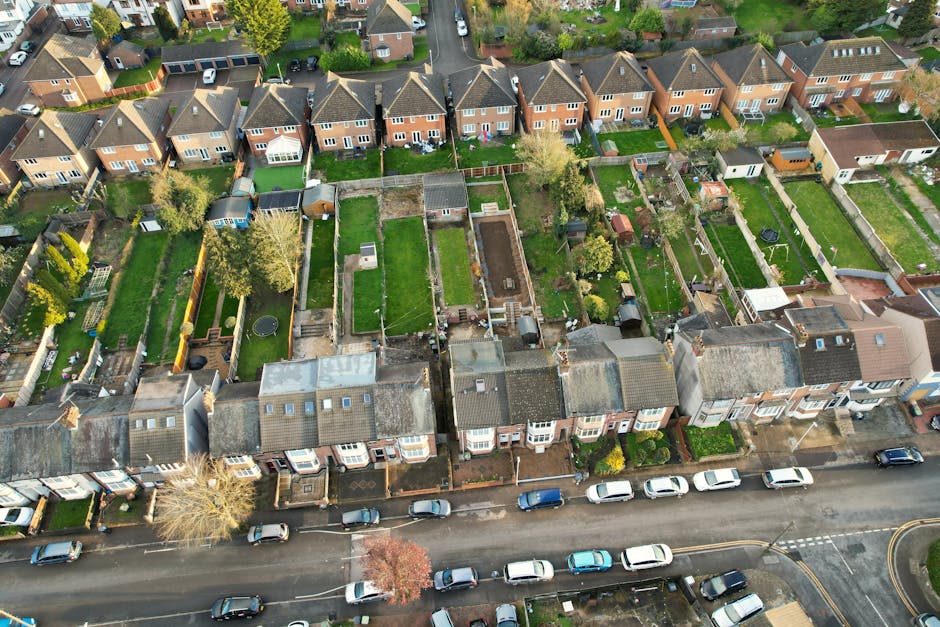
Common problems accessing Penge back gardens and garden services

If you have ever tried to get someone into a back garden in Penge, you will know it is not always as simple as opening a gate and carrying on. Narrow side passages, awkward steps, shared access, overgrown routes, locked entrances, and fragile fences can all make routine garden work harder than it looks from the street. The same goes for hiring help: hedge trimming, lawn mowing, garden clearance, landscaping, and even a quick tidy-up can become complicated when the route to the garden is tight or blocked.
This guide looks at the common problems accessing Penge back gardens and garden services, why they matter, and how to handle them without turning a small access issue into a bigger job. You will find practical steps, real-world examples, comparison advice, and a checklist you can use before any garden visit. In short: less hassle, fewer surprises, and a much smoother day when the work starts.
Table of Contents
- Why access problems in Penge back gardens matter
- How garden access is assessed and managed
- Key benefits of sorting access properly
- Who this is for and when it makes sense
- Step-by-step guidance
- Expert tips for better results
- Common mistakes to avoid
- Tools, resources and recommendations
- Law, compliance, standards, or best practice
- Options, methods, or comparison table
- Case study or real-world example
- Practical checklist
- Conclusion
- Frequently Asked Questions
Why Common problems accessing Penge back gardens and garden services Matters
Access sounds like a small detail until it is not. In a place like Penge, where homes can sit close together and side returns may be narrow, the route to a back garden can determine what work is possible, how long it will take, and what equipment can safely be used. A mower that would be perfect on an open drive may be awkward if it has to pass through a tight alley. A clearance job that looks straightforward might need extra time if bags, branches, or old fence panels must be carried through the house.
That matters for a few reasons. First, it affects safety. Garden work often involves tools, sharp edges, wet surfaces, trip hazards, and lifting. Second, it affects cost and timing. If access is restricted, a team may need to bring smaller kit, make more trips, or plan extra labour. Third, it affects the quality of the finish. When the route into a garden is blocked or badly thought through, jobs can become rushed, and nobody wants that. Not the homeowner, not the gardener, and certainly not the neighbour whose bins are suddenly in the way.
There is also the practical side. A difficult access point can make it harder to maintain the garden regularly, which is where small problems quietly grow into bigger ones. A bit of overgrowth at the entrance becomes a tangle. A loose latch becomes a broken gate. A muddy path becomes a slippery mess after a wet spell. By the time the garden is finally worked on, the access issue has often become part of the job itself.
If you are planning regular upkeep, it is worth looking at wider support too, such as garden maintenance or a fuller services overview, because access planning is often easier when it is built into an ongoing routine rather than treated as a one-off emergency.
How Common problems accessing Penge back gardens and garden services Works
In practice, access issues are usually assessed before any work begins. A gardener or landscaping team will want to know how they can safely reach the back garden, where tools can be carried, whether waste can be removed easily, and whether there are any known obstacles such as locked side gates, steep steps, low doorways, or uneven ground. Simple enough on paper. In real life, the details matter a lot.
The process usually starts with a description from the customer, followed by photos or a quick site visit if needed. That is often the moment when an awkward garden reveals its little secrets. The side passage that looked wide enough from memory turns out to be cluttered with bikes and plant pots. The rear gate sticks. The hedge leans into the walkway. Or, to be fair, the path is technically there but only if everyone turns sideways and hopes for the best.
Once the access route is known, the work can be planned properly. That might mean using narrower tools, bringing waste out in smaller loads, protecting floors if items need to pass through the house, or choosing a different approach for bulkier work. For larger projects, such as redesigning a route or preparing a garden for easier future use, it may make sense to think about landscaping or even structural improvements like decking services if the current setup is muddy, uneven, or just plain impractical.
Garden services are not just about cutting, trimming, or clearing. They are also about moving efficiently and safely in a space that may have limited turning room, no rear vehicle access, and more than one surprise around the corner. In other words, access is part of the job, not a footnote.
Key Benefits and Practical Advantages
Sorting access issues properly brings a few clear benefits, and they are not just for the contractor. Homeowners feel them too.
- Safer working conditions for everyone involved, especially where tools, waste, and steps are involved.
- Less damage to gates, fences, paving, and the inside of the home if items need to be carried through.
- More accurate pricing because the job can be scoped realistically instead of guessed.
- Faster completion because there is less hesitation, backtracking, or on-the-day problem solving.
- Better results since the team can focus on the actual garden work rather than wrestling with access.
- Lower stress for the homeowner, which honestly makes a big difference when tradespeople are coming and going.
There is another benefit that gets overlooked: regular access planning helps preserve the garden itself. If waste has to be dragged through a planted border every time, the border will suffer. If a narrow gate is forced open repeatedly, it can loosen, scrape, or warp. If muddy access is ignored, the whole route can degrade, which then makes the next visit worse again. That spiral is easy to start and annoying to stop.
Where access is a recurring issue, it may also be worth looking at the types of work you need most often. If it is mainly cutting back hedges, a hedge trimming service may need a different setup from routine lawn mowing or a larger-scale garden clearance. The access route can be fine for one type of work and awkward for another. Same garden, different headache.
Who This Is For and When It Makes Sense
This topic matters to more people than you might think. If your back garden is reached by a narrow side passage, shared walkway, or internal route through the property, you are probably already dealing with some version of it. It also matters if your garden has not been maintained for a while, because overgrowth often reduces access exactly when you most need it.
It is especially relevant for:
- homeowners with tight or hidden rear access;
- landlords preparing a property for new tenants;
- older properties with narrow passages or low gates;
- busy households that need regular maintenance with minimal disruption;
- people planning landscaping or garden redesigns;
- anyone who needs debris, soil, branches, or old materials removed from the rear of the property.
It also makes sense if you have had previous issues with contractors arriving only to discover the route is too tight for their equipment. That is a classic one. A person books a service assuming a quick job, and then everyone stands in the patio discussing whether the mower can make it through the gate at an angle. Not ideal.
If you are thinking about long-term improvements, it can help to discuss access alongside any broader upgrade work. A reliable team can often suggest sensible changes through landscape gardening, practical maintenance planning, or selective structural work. The point is not to turn the garden into a building site. The point is to make everyday care less awkward.
Step-by-Step Guidance
Here is a simple way to handle access problems before garden work begins.
- Walk the route as if you were carrying something bulky. Look for bottle-necks, low branches, loose paving, slippery patches, and anything that would catch a wheelbarrow or bag.
- Measure the narrowest points. This does not need to be overcomplicated. A rough but honest measurement of gate width, passage width, and step height is enough to help plan the job.
- Clear the access way first. Move bikes, bins, toys, tools, and plant pots. It sounds obvious, but the obvious things are the ones people forget when life gets busy.
- Check the gate, latch, and hinges. A gate that sticks or sags can add ten minutes to every trip through the passage. Small issue, big irritation.
- Decide how waste will leave the garden. If there is no rear access for a vehicle, waste may need to be bagged and carried through a side return or indoors. That should be discussed in advance.
- Flag any fragile surfaces or delicate areas. Newly laid paving, indoor flooring, greenhouse glass, and soft planting all need a different level of care.
- Share photos before the appointment. A couple of clear pictures can prevent confusion and help the team arrive with the right tools.
- Agree the access plan before work starts. Once everyone understands the route, the job tends to go much more smoothly.
If the access route is poor because the garden itself has become overgrown, a one-off tidy may not be enough. A more thorough preparation, such as garden clearance, may be the better first step. After that, regular care becomes far easier.
A small note from experience: the quickest garden jobs are almost always the ones where the route is sorted first. The flower beds can wait ten more minutes. The passage cannot.
Expert Tips for Better Results
There are a few habits that make a noticeable difference.
Keep access boring. That is a good thing. The less you have to think about the route, the better. If the side passage is kept free of clutter and the gate opens cleanly, every future visit becomes easier.
Think in layers. A garden might be accessible for a lawn cut but not for waste removal, or accessible for hand tools but not for larger equipment. Planning by task helps avoid frustration.
Use the right service for the job. If the issue is mostly bulky waste or dense growth, a clearance-led visit may make more sense than a quick maintenance appointment. If the issue is tree debris blocking the route, then tree lopping and removal may be part of the solution before anything else can happen.
Do not ignore weather. A passage that feels manageable on a dry morning can become slippery after rain. London weather has a habit of being a bit unhelpful at the exact wrong moment. Funny that.
Ask for a realistic plan, not a polite guess. Some jobs need a short site conversation before a quote is finalised. That is normal. It is better to have an honest expectation than a cheerful surprise later.
Consider future maintenance when making changes. A beautiful design that is awkward to reach may look lovely for a week and then become annoying forever. That is not the goal. Good access is part of good design, especially if you want regular support through garden maintenance or ongoing mowing, trimming, and seasonal upkeep.
Common Mistakes to Avoid
Most access problems are manageable. The trouble starts when people assume they are not a big deal.
- Leaving clutter in the route. A narrow path does not get wider just because everyone steps around the issue.
- Not mentioning access problems in advance. This is one of the fastest ways to waste time on the day.
- Forgetting about side gates and locks. A locked gate with no key ready can halt the whole job.
- Assuming standard equipment will fit. It often will not, especially in older properties with tight side returns.
- Ignoring drainage or muddy ground. Wet ground can be just as limiting as a narrow gate.
- Letting access routes overgrow again. Once a passage becomes choked, even basic garden care gets harder to start.
- Choosing the cheapest option without discussing access. A low quote is not much help if the team has to improvise because the route was never checked.
One more thing: if you need repeated visits, do not keep "making do" every time. That usually becomes expensive in the long run. Better to solve the underlying access issue once than to re-fight it every month.
Tools, Resources and Recommendations
You do not need specialist kit for most access planning, which is lucky because nobody wants another excuse to buy odd gadgets that will live in the shed forever.
Useful basics include:
- a tape measure for gate widths and passage clearance;
- a phone camera for taking simple route photos;
- work gloves for moving clutter and checking rough surfaces;
- bin bags or garden waste bags for quick clearance of small obstacles;
- a torch if the side passage is dim or enclosed;
- a broom or brush to clear loose gravel, leaves, or moss from the route.
For more complex jobs, it helps to use a service provider that is clear about planning, safety, and customer communication. Pages like pricing and quotes can be helpful when you want to understand how access might affect cost, while insurance and safety matters if tools, ladders, or heavier materials are involved. If sustainability is important to you, recycling and sustainability is worth looking at too, especially for waste handling and disposal habits.
And if you are still unsure what service level you need, the broad services overview is a sensible place to compare options before booking anything. That small bit of homework can save a lot of back-and-forth later.
Law, Compliance, Standards, or Best Practice
Access problems are not just a practical issue. They can also touch safety, duty of care, and sensible working practice. In the UK, anyone carrying out garden work should think carefully about risk, safe movement, and whether their equipment and working method suit the site. That is especially true in tight rear gardens where carrying materials through a home or narrow passage creates extra risks.
For homeowners, the main best practice is straightforward: make the route safe and honest. If there is a known trip hazard, a broken step, or a gate that only opens halfway, say so. If waste needs to be taken through the house, clear the route and protect fragile surfaces where possible. If children, pets, or neighbours might be affected during the visit, mention that too.
For contractors, good practice usually means assessing access before starting, using equipment that fits the site, avoiding avoidable damage, and communicating clearly if conditions change on the day. If a route is not safe, it is better to pause than to push on and create a bigger problem. That may sound obvious, but in the real world, people sometimes rush. Better to slow down than explain a cracked fence panel later.
You may also want to check company policies that show how the team handles working arrangements, complaints, and privacy. Those documents do not solve access issues directly, but they do signal professionalism. Relevant pages include complaints procedure, privacy policy, and about us if you want to understand the people behind the service.
Options, Methods, or Comparison Table
Different access problems call for different responses. Here is a simple comparison to help you think it through.
| Access situation | Best approach | Why it works |
|---|---|---|
| Narrow side passage but usable gate | Use smaller tools and pre-clear the route | Keeps the job efficient without changing the garden layout |
| Overgrown entry route | Start with clearance before regular maintenance | Removes the blockage so future visits are easier |
| Unsafe or muddy ground | Improve the surface or reschedule for safer conditions | Reduces slips, damage, and wasted effort |
| Waste needs to pass through the house | Protect floors and agree a clear carrying route | Limits mess and protects internal finishes |
| Repeated access problems every season | Consider a redesign or landscaping adjustment | Improves long-term usability, not just one visit |
If you are unsure where your own garden sits in this table, ask yourself one question: is this a one-off inconvenience, or a structural problem that keeps coming back? That distinction matters. A lot.
Case Study or Real-World Example
A typical Penge example might be a terraced property with a narrow side return, a slightly sticking rear gate, and a long-neglected back garden. The homeowner wants mowing, hedge cutting, and a general tidy-up after a busy few months. On paper, it sounds like a half-day job.
Then the practicalities appear. The side route is lined with pot plants, an old bike, and a stack of timber. The gate opens only if you lift it slightly. The lawn mower is too awkward to move comfortably through the gap, so the team needs smaller equipment and more hand trimming. Halfway through, they discover the waste bags will need to come back through the same route, which means the path must stay clear throughout.
What turns this around is simple preparation. The homeowner clears the route before the appointment, shares a few photos in advance, and agrees that the gate should be propped safely open during the visit. The job still takes proper effort, of course, but it becomes manageable rather than chaotic. The garden gets done. No damage, no panic, no wandering debate about whether the mower "might fit if we try it sideways."
That is really the lesson. Good access planning does not magically make a difficult garden easy. It just makes the work possible, safer, and much less stressful.
Practical Checklist
Use this before booking or starting any work in a back garden with access concerns.
- Measure the narrowest gate, passage, or doorway.
- Check whether the route is clear of clutter.
- Test the gate, latch, and hinges.
- Look for slippery, broken, or uneven surfaces.
- Confirm whether waste can leave the garden easily.
- Take photos of the access route.
- Tell the gardener about any steps, slopes, or low head-height areas.
- Move pets, children's items, and fragile objects out of the way.
- Decide whether one-off clearance is needed before maintenance.
- Ask for a realistic plan if the job involves larger tools or bulky waste.
Expert summary: In most Penge gardens, the biggest access wins come from the simplest actions: clear the route, measure honestly, and speak up early. That one small bit of preparation can save a surprising amount of time and stress.
Get a free quote today and see how much you can save.
Conclusion
Common access problems in Penge back gardens are rarely dramatic, but they are often decisive. A narrow side passage, awkward gate, or overgrown route can shape the whole experience of hiring garden services. The good news is that most of these issues can be managed with a bit of planning and a realistic conversation before the work begins.
Whether you need hedge trimming, lawn care, garden clearance, or a more ambitious landscaping update, the route to the garden should be part of the plan from day one. When access is sorted, everything else becomes calmer, quicker, and usually better value too. And if the garden has been feeling a bit impossible lately, that is often the place to start.
Small fixes add up. A clear path, a working gate, and a sensible plan can make a back garden feel usable again, which is no small thing on an ordinary weekday afternoon.
Frequently Asked Questions
What are the most common access problems in Penge back gardens?
The most common issues are narrow side passages, locked or sticking gates, cluttered access routes, uneven paving, low head-height areas, and gardens that have become overgrown enough to block safe movement.
Can garden services still be done if the back garden has no rear access?
Yes, often they can. The job may need a different setup, smaller tools, extra carrying time, or a clearer plan for removing waste through a side route or the home. It depends on the site and the type of work.
Does restricted access usually increase the cost?
It can, because limited access may take more time or require smaller equipment and extra labour. A proper quote should reflect the real site conditions rather than assume an easy route.
What should I tell a gardener before they visit?
Tell them about gate width, side passage width, steps, slippery ground, clutter, waste removal routes, and anything that might slow access. Photos are often very helpful and save a lot of guessing.
Is it better to clear the garden before booking a service?
Usually yes, especially if the access route is blocked by bikes, bins, tools, or dense growth. Clearing the route first makes garden work safer and more efficient.
What if my gate is broken or the latch does not work?
Say so before the visit. A faulty gate can affect entry, safety, and timing. In some cases, it is worth repairing the gate before arranging larger garden work.
How do access problems affect garden clearance?
Garden clearance is often the service most affected, because waste, branches, and bulky materials need to be moved out. If access is tight, the team may need smaller loads and more trips.
Can landscaping help solve access issues long term?
Yes. Landscaping can improve routes, surfaces, steps, drainage, and the overall layout of the garden. If access is a recurring problem, redesigning the space may be a smart investment.
What is the best way to prepare a narrow side passage?
Remove clutter, sweep away loose debris, check for trip hazards, open gates fully, and make sure the route is wide enough for the tools and waste movement needed for the job.
Do I need to mention access issues if the garden looks tidy?
Definitely. A tidy garden can still have awkward entry points. Access problems are often hidden from view, so it is better to mention them early rather than on the day.
Are there safety concerns with carrying garden waste through the house?
Yes, there can be. Floors can be marked, trips can happen, and awkward loads can be hard to manage. If waste must pass through the home, the route should be planned carefully and kept clear.
Where can I find more information about services and pricing?
The most useful starting points are the services overview and pricing and quotes pages, which can help you understand what kind of work may suit your garden and access situation.